
Thanksgiving is a natural time to slow down and take stock of what's going well. Most of us think about family, health, and friends, but there's another list worth making: the money habits quietly working in the background of your life. Good money habits rarely feel exciting in the moment. Over the years however, they can be the difference between feeling stretched thin and feeling like you have options. Here are five habits worth being grateful for, whether you already have them or you're thinking about building them in the new year.
ABOUT THE AUTHOR
Pijus Bulvinas, CFP®, is the Founder of Wealth and Plan, a virtual financial planning practice in Houston, Texas. After 10+ years in the financial planning industry, and stops at firms like Merrill Lynch and JPMorgan, his passion is working with high-earning professionals and families in their 30s and 40s who seek financial advice without the pressures of waiting until they’re “wealthy enough.”
Why Do Habits Matter More Than Income?
It's easy to assume a bigger paycheck solves most money problems. For a lot of high earners, it doesn't. As income goes up, spending often follows: a nicer house, a newer car, more travel, private school tuition. This is sometimes called lifestyle creep, and it can leave a household earning a great salary with surprisingly little left over.
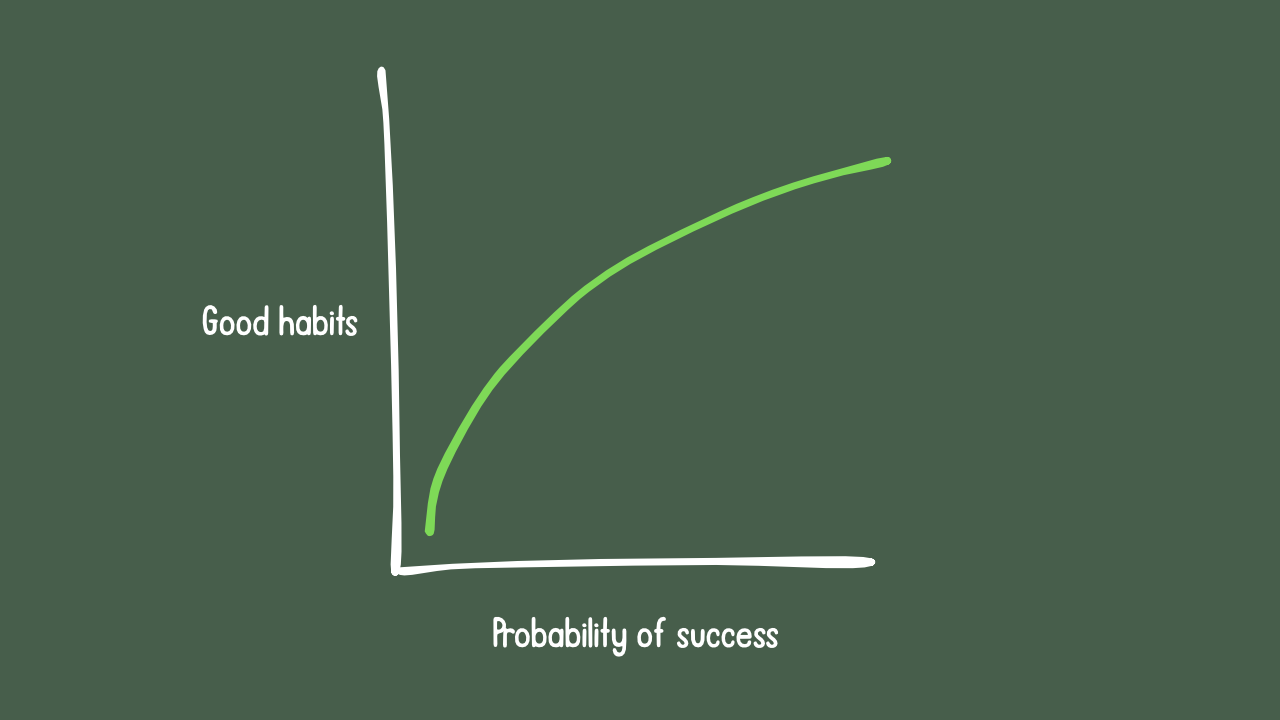
Habits are what turn income into wealth. A habit is a decision you make once and then repeat without much thought. That's what makes them powerful. You don't have to rely on willpower every month, and small, steady actions may add up to something meaningful over time.
Habit 1: Paying Yourself First
Paying yourself first means setting money aside for savings and investing before you spend on anything else. Instead of waiting to see what's left at the end of the month (which is often nothing), the savings happen first and you live on the rest.
The simplest way to do this is to automate it. Many people set up automatic transfers to a savings or brokerage account the day after payday, or increase their workplace retirement contributions so the money never hits their checking account. Once it's automatic, it tends to stick.
If you're investing the money you set aside, it may also help to understand how spreading it across different types of investments can manage risk. We cover that in Diversification in Plain English.
This habit may be worth being grateful for if:
Your savings happen automatically without a monthly decision
You raise your savings rate when you get a raise or bonus
You rarely wonder where your paycheck went
Habit 2: Keeping an Emergency Fund
An emergency fund is cash you keep set aside for life's surprises: a job change, a medical bill, a car repair, or a water heater that picks the worst possible week to break. A common rule of thumb is to keep three to six months of essential expenses in a savings account you can get to quickly. The right amount can vary based on things like job stability, whether you have one income or two, and how variable your pay is.
The real value of an emergency fund isn't the interest it earns. It's the peace of mind that a surprise expense doesn't have to become credit card debt, and that you don't have to sell investments at a bad time to cover a bill.
Habit 3: Taking Full Advantage of Your Workplace Retirement Plan
If your employer offers a 401(k) or similar plan with a match, that match is part of your pay. For example, some employers match 50 cents for every dollar you contribute, up to a certain percentage of your salary. Contributing at least enough to receive the full match is a habit many people find worth prioritizing, since skipping it could mean leaving part of your compensation unclaimed.
Many plans also let you choose between pre-tax (traditional) and Roth contributions. Each has trade-offs depending on your current and expected future tax situation. If you want to understand the difference, our article on Traditional IRAs vs. Roth IRAs walks through the same basic idea.
Habit 4: Spending on Purpose
Spending on purpose doesn't mean cutting out everything fun. It means knowing where your money goes and making sure it lines up with what you actually care about. Some people love travel and don't care about cars. Others would rather invest in a great home and keep vacations simple. Neither is wrong.
A simple way to start is to review the last three months of spending and sort it into three buckets: things that clearly added value to your life, things that were necessary, and things you barely remember buying. That third bucket is often where people find room to redirect money toward goals that matter more to them.
Habit 5: Giving With Intention
Thanksgiving kicks off the season of giving, and the Tuesday after the holiday, known as Giving Tuesday, has become a popular day to support charities. Giving can be one of the most rewarding things you do with money, and having a plan for it may help you give more thoughtfully.
Giving with intention might look like setting an annual giving budget, choosing a few causes that matter to your family, or involving your kids in deciding where donations go. For some high earners, there may also be tax considerations worth exploring, such as donating appreciated investments instead of cash or using a donor-advised fund, which is an account that lets you make a charitable contribution now and recommend grants to charities over time. Tax rules around charitable giving can be detailed, so it's worth reviewing your options with a tax professional.
Which Money Habit Should You Start With?
If you read this list and felt grateful for a few habits but not all five, that's normal. Very few people have everything in place at once. The best starting point usually depends on where you are today:
Paying yourself first may fit if you earn well but don't feel like you're getting ahead.
An emergency fund may fit if a surprise expense would likely end up on a credit card.
Your workplace retirement plan may fit if you aren't sure you're receiving your full employer match.
Spending on purpose may fit if your spending has grown along with your income.
Giving with intention may fit if charitable giving matters to you but tends to happen last-minute.
Picking one habit and building it over the next few months is often more realistic than trying to overhaul everything at once.
How Wealth and Plan Can Help
At Wealth and Plan, we work with high-earning professionals and families in their 30s and 40s who want real guidance while they're building wealth, not only after. We focus on education and transparency, so you understand the why behind each recommendation in your plan.
If you'd like help figuring out which money habits could make the biggest difference for your situation, we'd be happy to talk. Book a Call.
Frequently Asked Questions
What are good money habits to build?
Some of the most common good money habits include paying yourself first, keeping an emergency fund, contributing to a workplace retirement plan, spending in line with your values, and giving with a plan. The right mix can vary from person to person depending on income, goals, and life stage.
How much should I have in an emergency fund?
A common rule of thumb is three to six months of essential expenses. Households with a single income, variable pay, or less job stability may want a larger cushion. The right amount depends on your specific situation.
What does paying yourself first mean?
Paying yourself first means saving or investing a set amount before spending on anything else. Many people automate it with transfers that happen right after payday. It can help savings happen consistently without relying on willpower.
What is lifestyle creep?
Lifestyle creep happens when spending rises along with income, so a higher salary doesn't lead to more savings. It's common among high earners. Deciding in advance how to split raises and bonuses between saving and spending may help keep it in check.
What is a donor-advised fund?
A donor-advised fund is an account that lets you make a charitable contribution now and recommend grants to charities over time. Some people use them to organize their giving or for potential tax planning purposes. It's worth talking with a tax professional to see whether one may fit your situation.
How long does it take to build a new money habit?
It varies, but automating a habit tends to make it stick faster because it removes the monthly decision. Starting with one habit at a time is often more manageable than changing everything at once.
DISCLOSURE
This article is for educational purposes only and does not constitute personalized investment, tax, or legal advice. The information presented in this article is believed to be factual and up-to-date, but we do not guarantee its accuracy and it should not be regarded as a complete analysis of the subjects discussed. Nothing in this article should be construed as personalized investment or tax advice, or as an offer to buy or sell any investment. Consult a professional advisor before implementing any of the strategies discussed. Investments involve varying degrees of risk, and there can be no assurance that any specific investment or strategy will be suitable or profitable. Income and success cannot be guaranteed. All investment strategies can result in profit or loss.