Diversification in Plain English
You've probably heard "don't put all your eggs in one basket." That's diversification. But there's more to it than just owning different stocks - and understanding the full picture could make a real difference in your financial life.

IMPORTANT DISCLOSURE
This post is for educational purposes only and does not constitute personalized investment, tax, or legal advice. All investing involves risk, including the possible loss of principal. Income and positive outcomes cannot be guaranteed. Nothing in this post should be construed as a recommendation to buy or sell any security. Please consult a qualified professional before making financial decisions.
What is Diversification, Really?
At its core, diversification is about spreading risk. The idea is simple: if one thing goes wrong, you don't want it to bring everything else down with it. Instead of betting all your money on one outcome, you spread it across many - so that a loss in one area can potentially be offset by stability or gains elsewhere.
Most people think of diversification as just owning different stocks. But it actually shows up in several important areas of your financial life. Let's walk through the most meaningful ones.
Investment Diversification
This is the most familiar type. The idea is to own a mix of assets that don't all move in the same direction at the same time. When one goes down, another might hold steady or even go up.
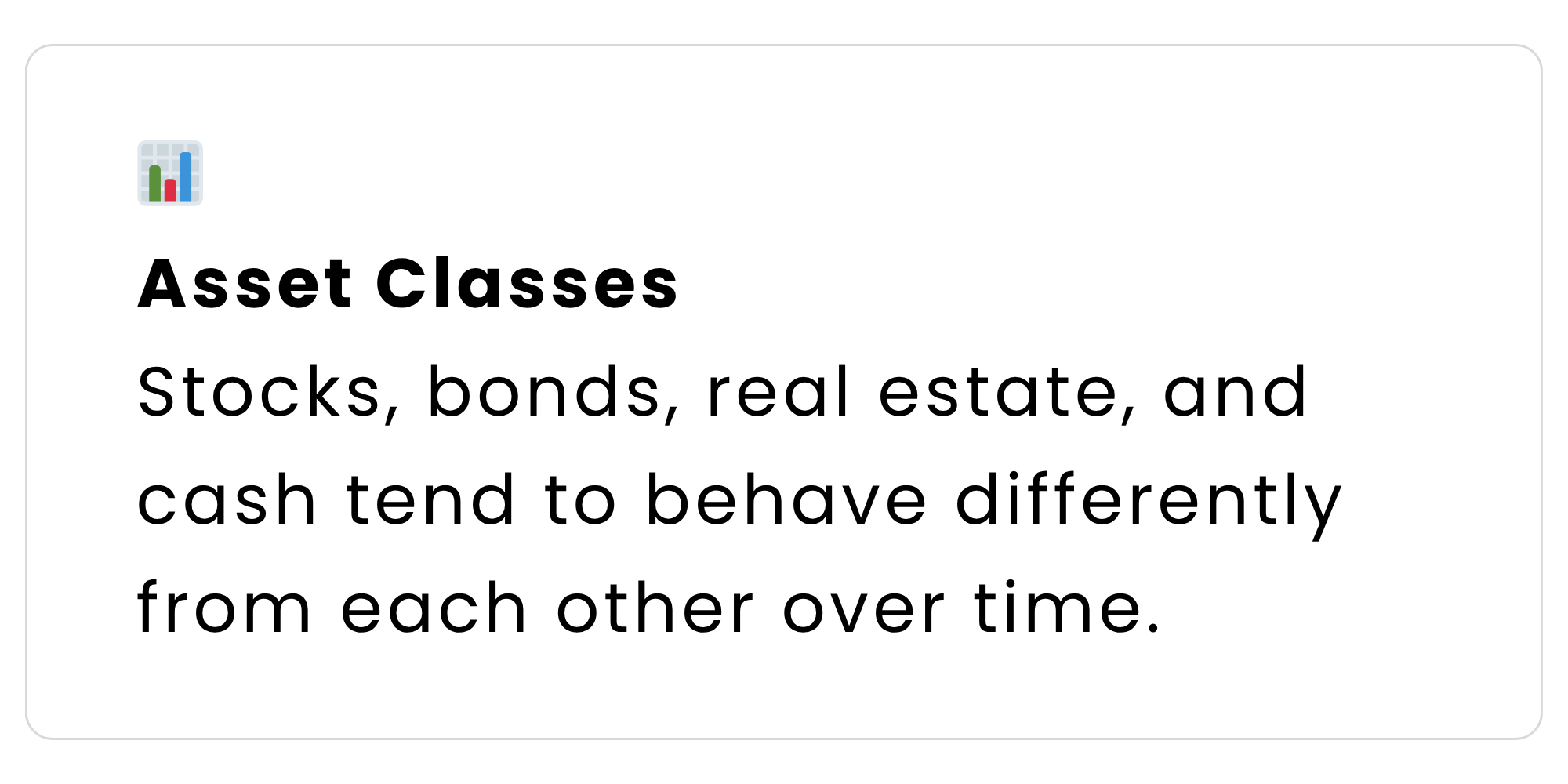
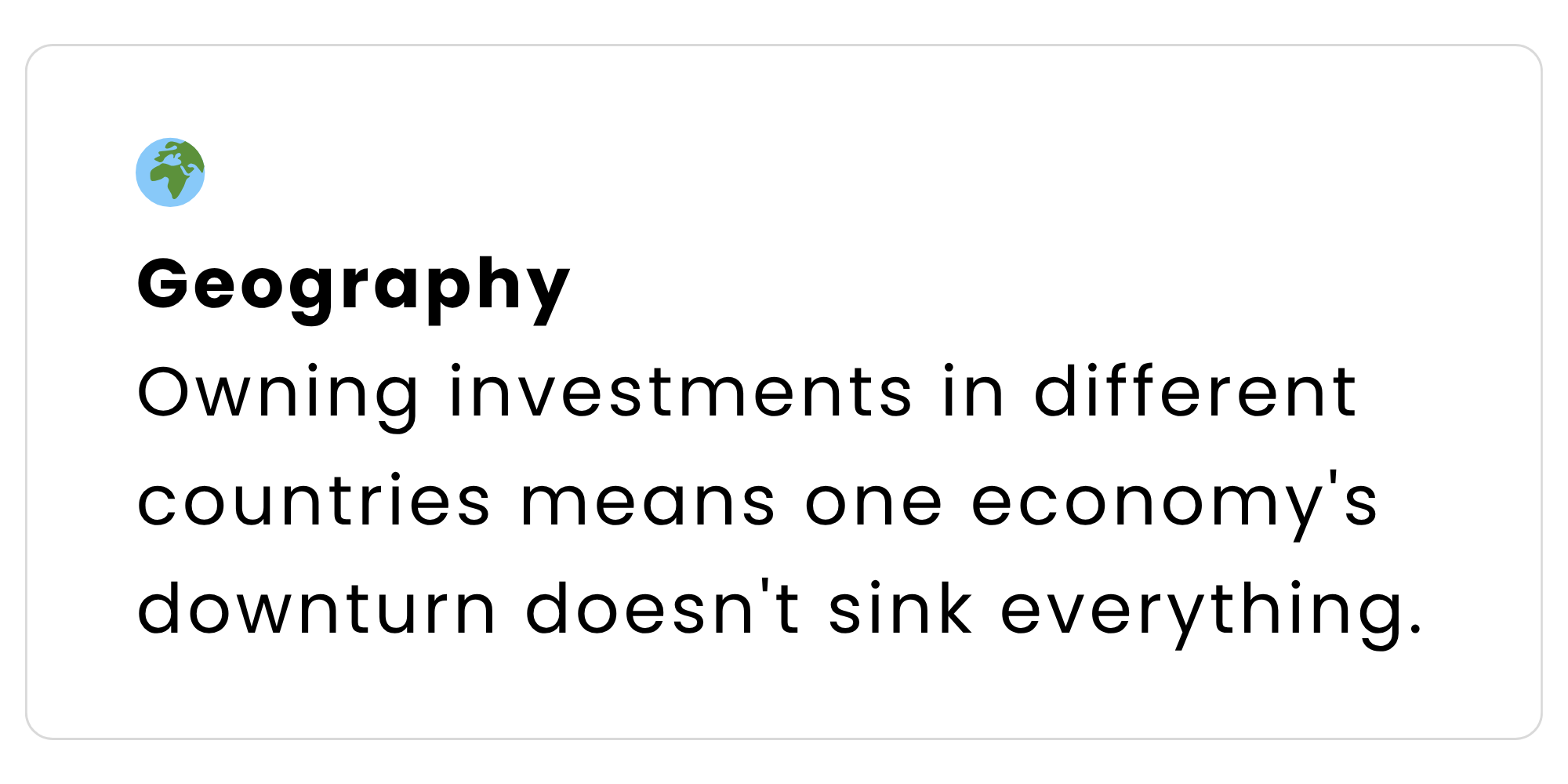
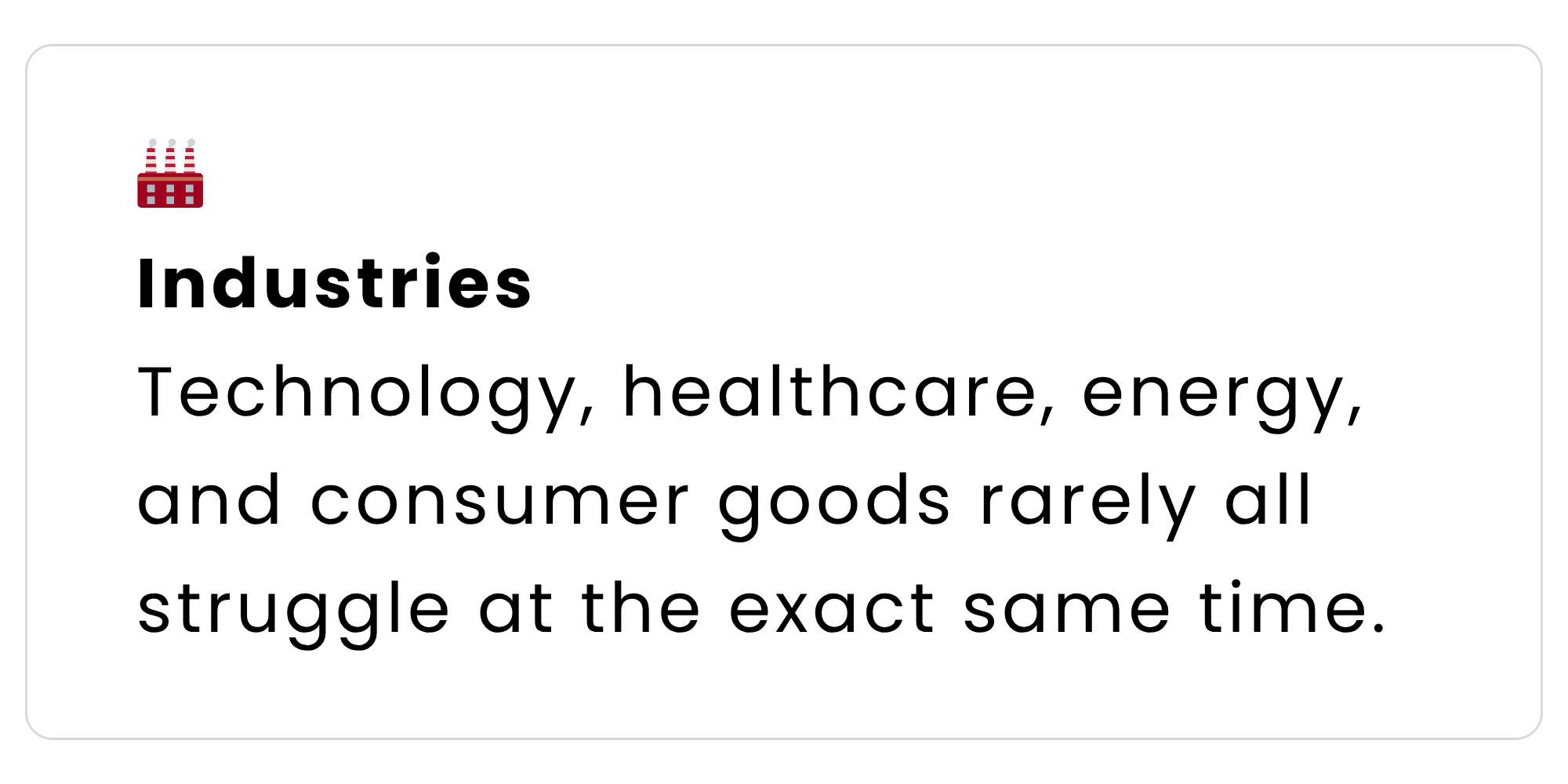
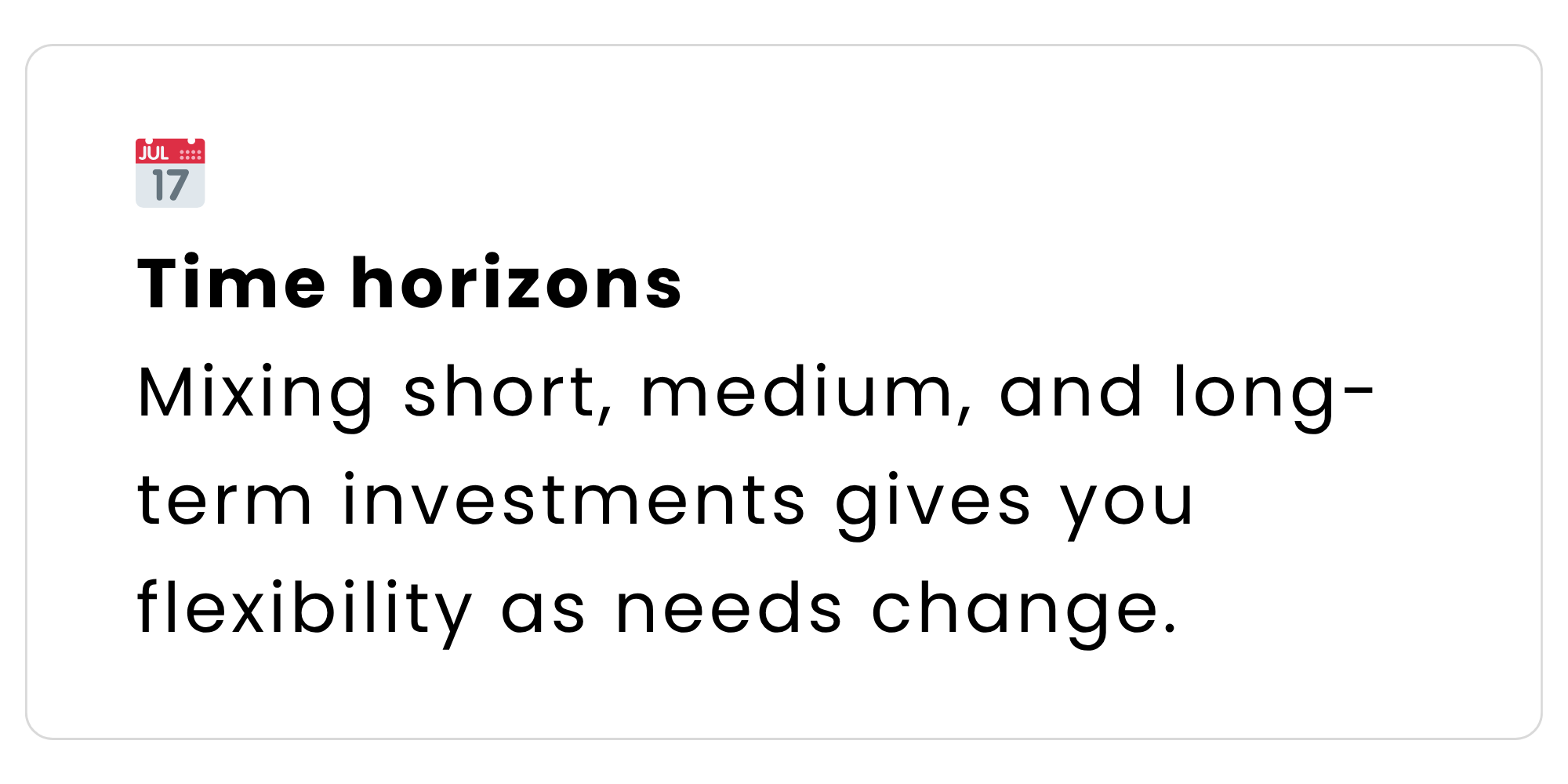
PLAIN ENGLISH
Think of it like a baseball team. If your entire team is made up of pitchers and you have a bad pitching night, you lose. A well-rounded team gives you more ways to win — and more ways to recover when something doesn't go as planned.

Tax Diversification
Here's one that often gets overlooked: the type of account you save in matters just as much as what you invest in. Different account types are taxed differently — and having money spread across multiple tax "buckets" can give you more flexibility when it's time to use your savings.
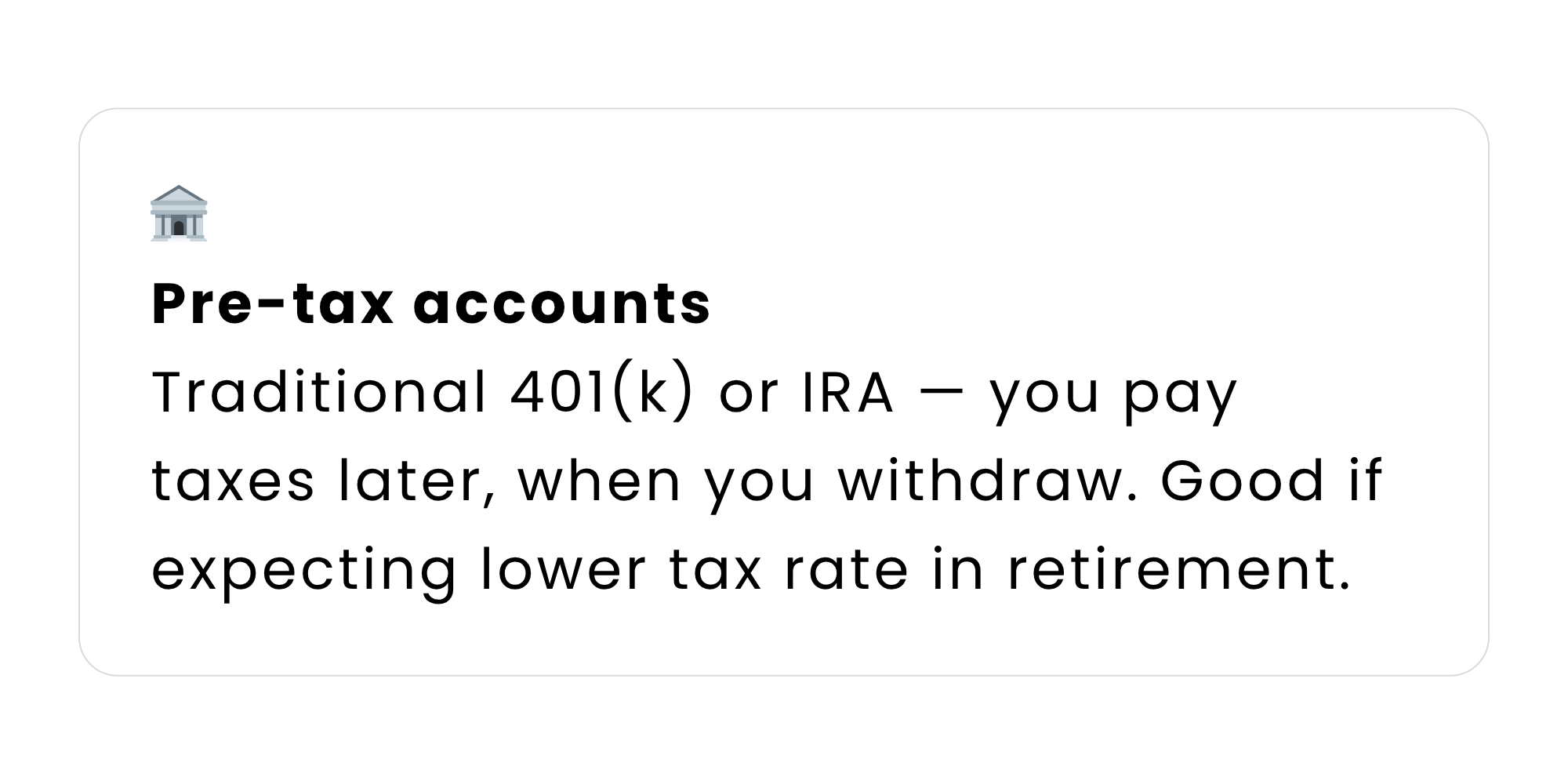
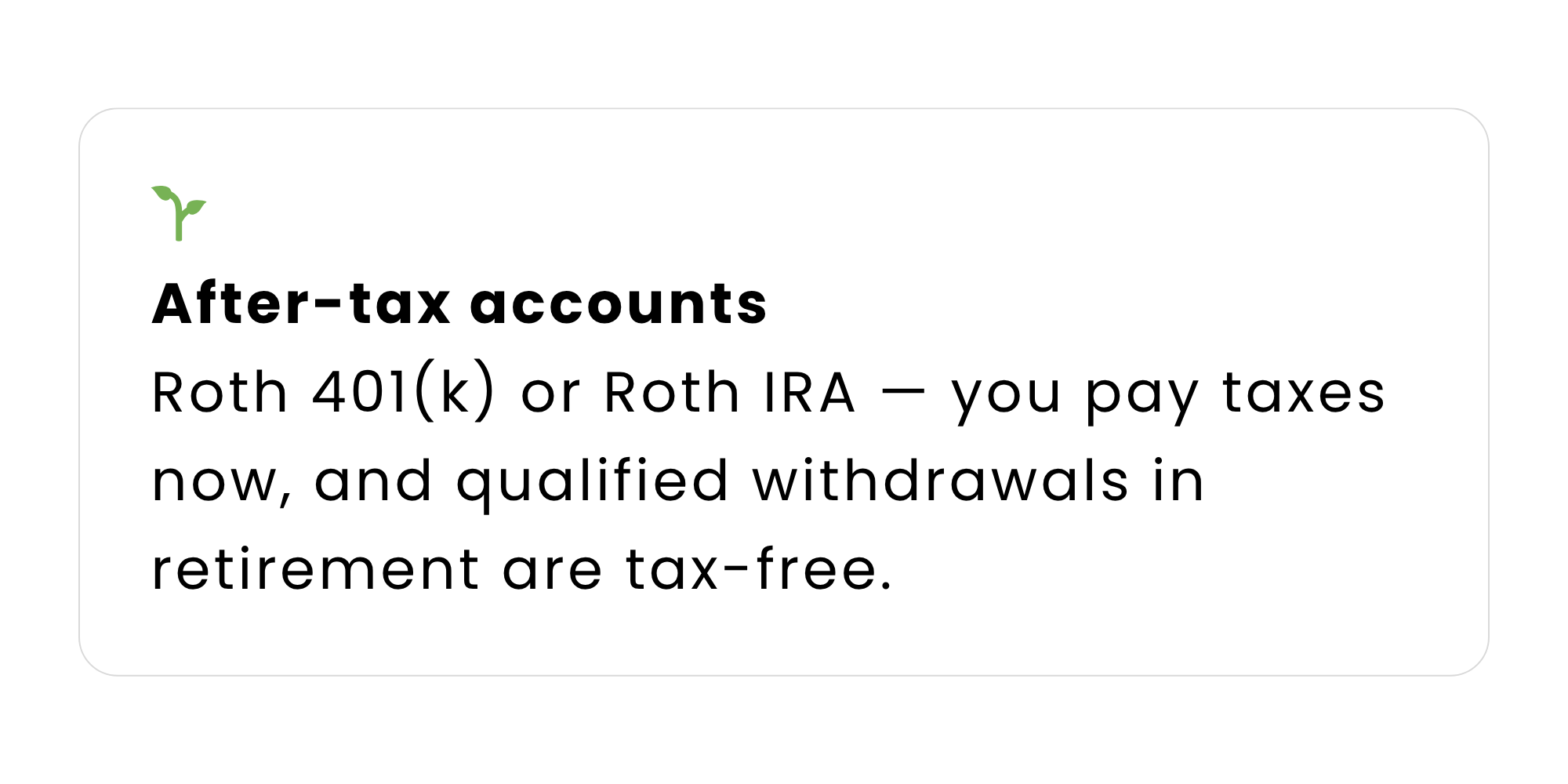
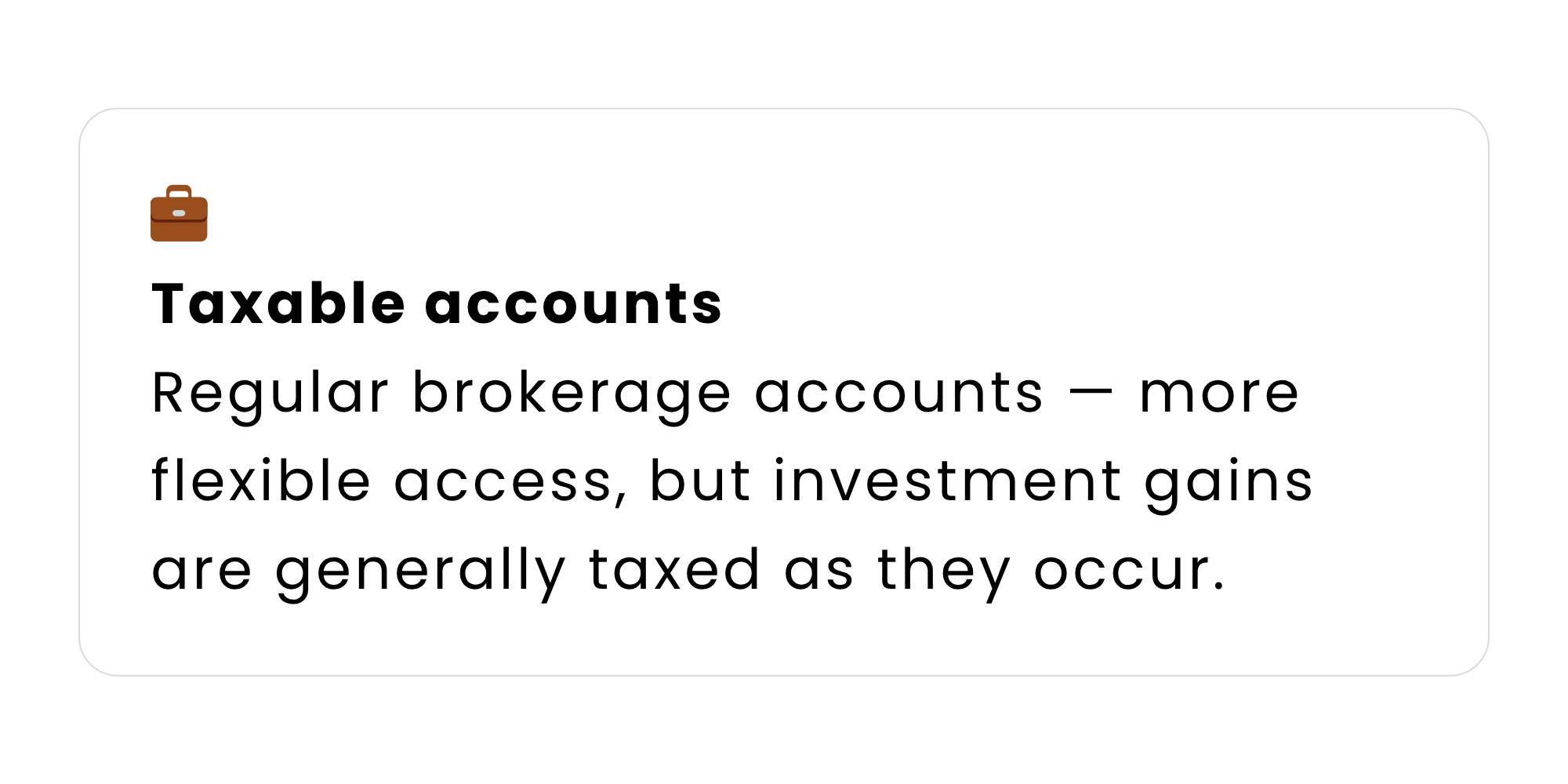
Having money in all three buckets can give you options. When tax laws change or your income shifts, you may be able to draw from whichever account makes the most sense at that time.
Check out last week’s article ‘Traditional IRAs vs. Roth IRAs’ for a comparison between the two most common types of IRAs.

Beyond Investments and Taxes
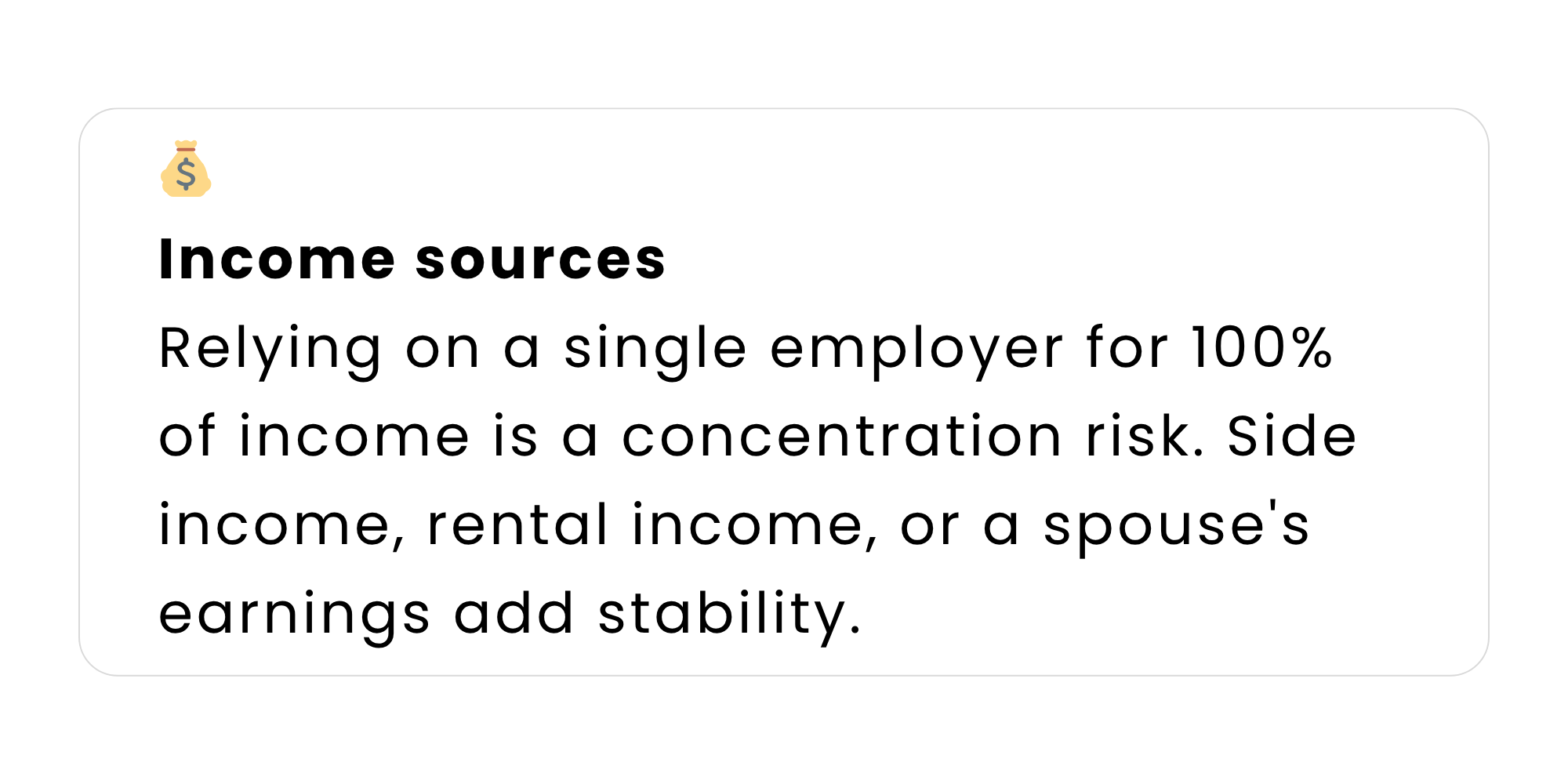
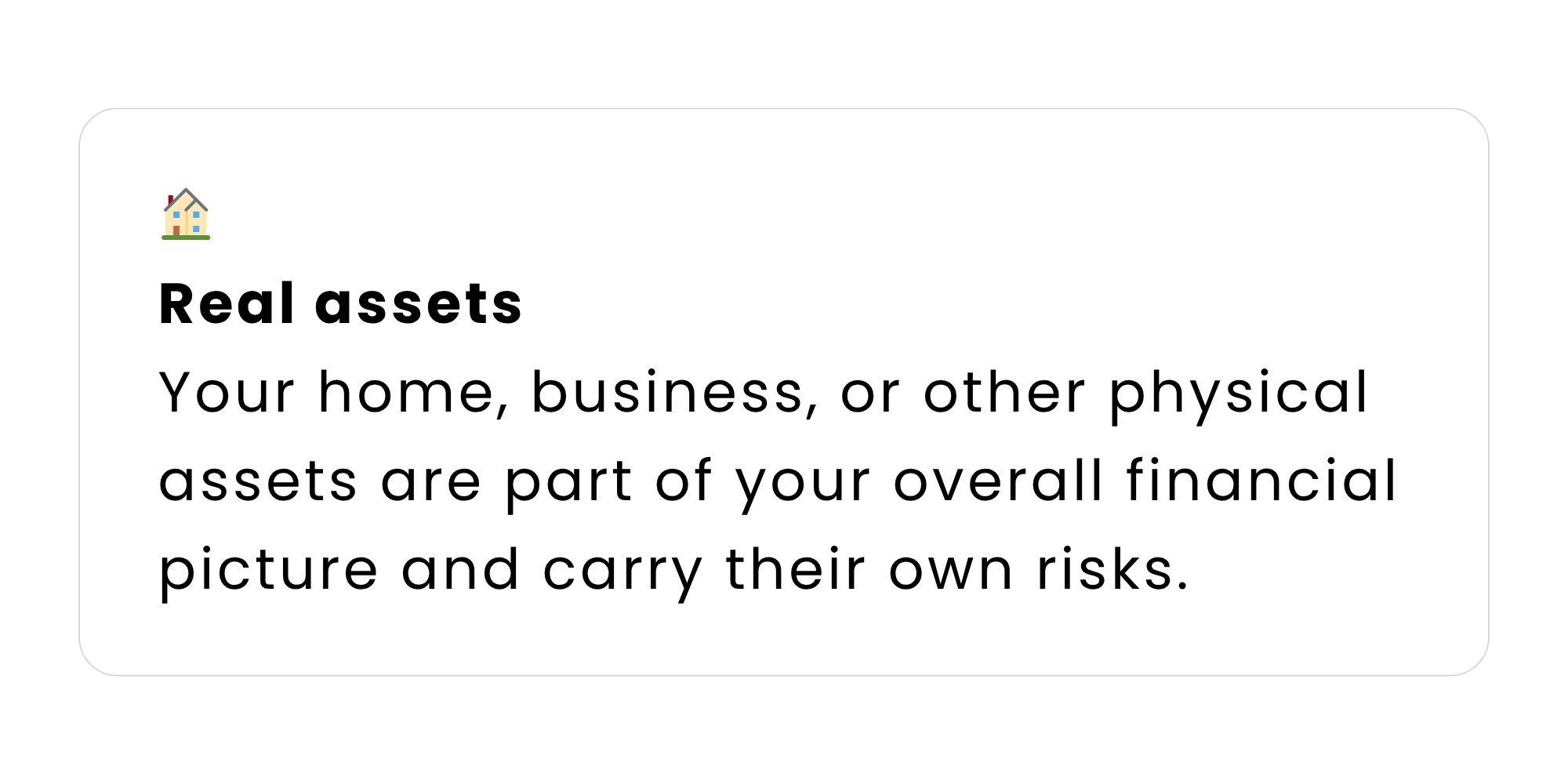
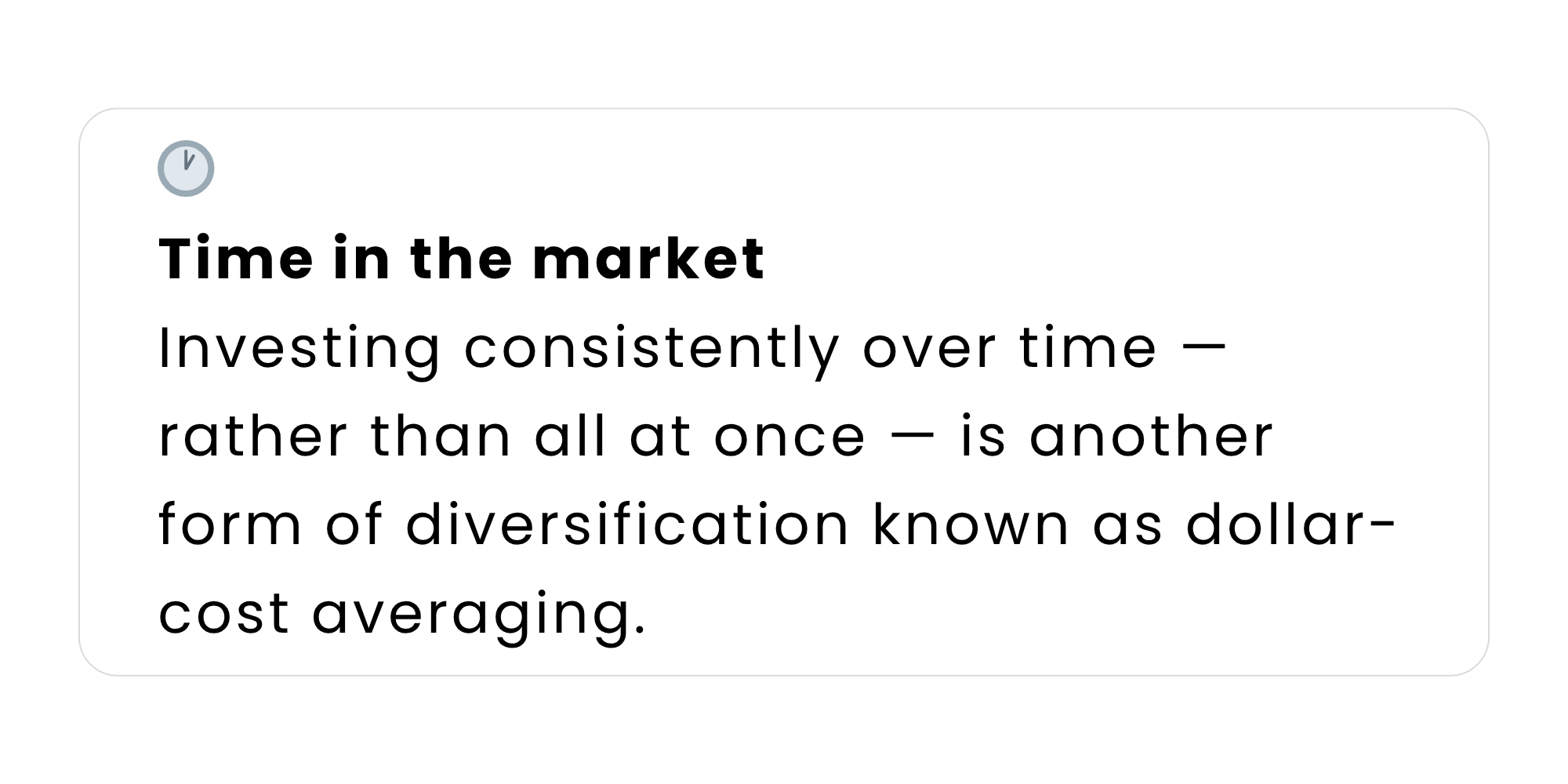
Diversification thinking doesn't stop with your portfolio. Here are a few other areas where the same principle applies:

The Bottom Line
Diversification isn't a magic solution. It's a way of managing uncertainty. By spreading your financial life across different investments, account types, income sources, and protections, you reduce the chance that one bad event derails everything.
The goal isn't to be everywhere at once - it's to be thoughtful about where you're concentrated. A financial professional can help you evaluate where your own plan may have gaps and what steps might make sense for your specific situation.